
LogileRetail Forecasting
Self‑learning, 15‑minute forecasts for sales, items, traffic and staffing, built to flow straight into labor plans and execution
















The Challenge in Retail Forecasting
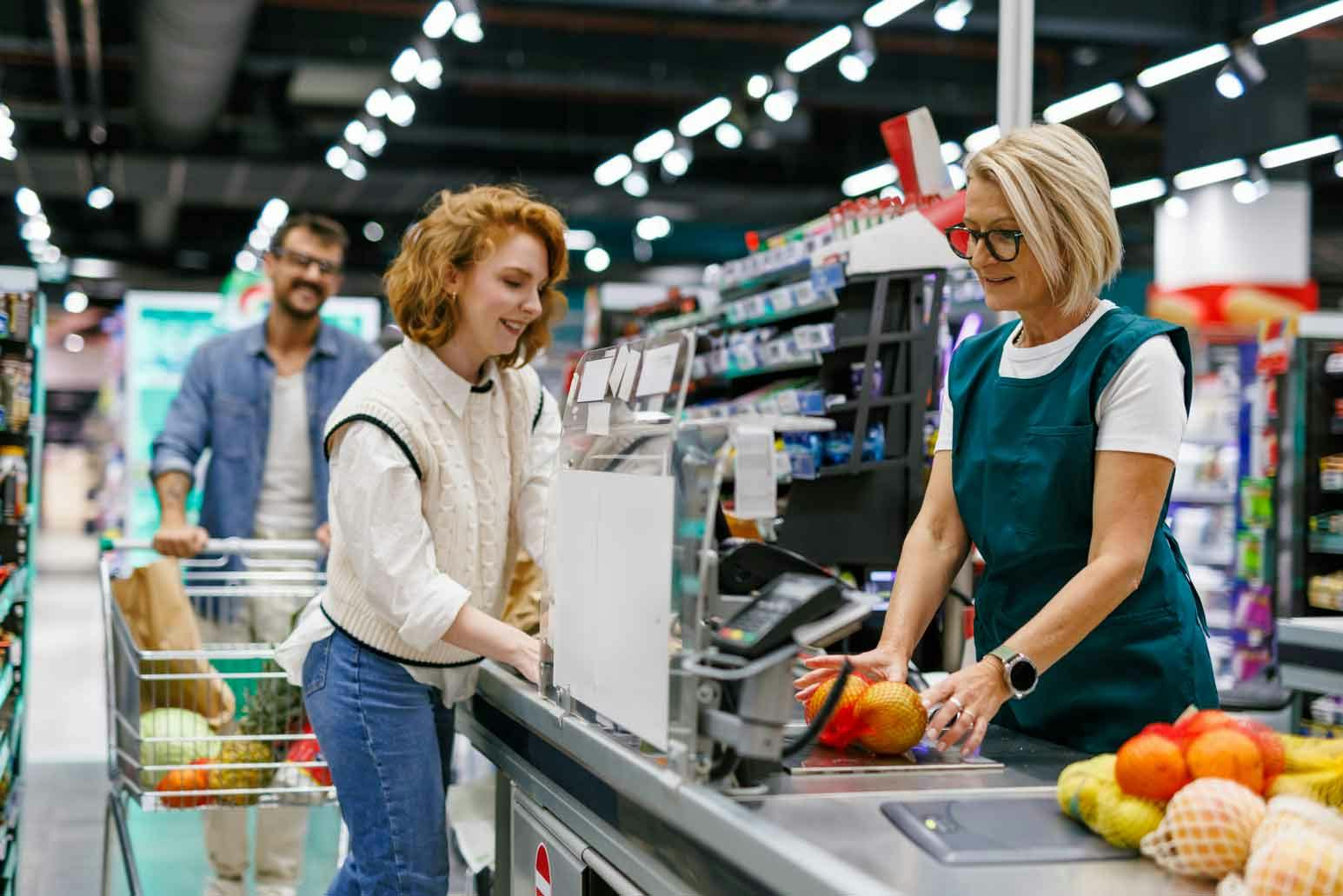
Rising labor costs, unpredictable demand, and new scheduling laws make accurate forecasting harder than ever. Old methods can’t keep up—leading to overstaffing, missed sales, stressed employees, and unhappy customers.

Built for Retail
Powered by AI, it delivers 15-minute, task-level forecasts with up to 97% accuracy—factoring in promotions, weather, events, and more. Unlike generic tools, it’s purpose-built, self-learning, and directly tied to scheduling and execution.

Proven ROI, Fast
Key Capabilities
Metric-Level Forecasting
Sales, SKU, UPC, traffic, labor, and checkout mix.
15-Minute Interval Precision
Hyper-granular demand planning.
Promo & Event Awareness
Auto-tag promotions, local events, and weather impacts.
Self-Learning AI Engine
Picks the best algorithm for each store and adapts over time.
Sister Store Modeling
Accurate forecasts for remodels or new locations.
Organizational Views
From corporate roll-ups down to individual departments.
Who's It For?
Store Operations Managers
Align labor and inventory with predicted demand to eliminate costly overstaffing and understocking.
Learn More
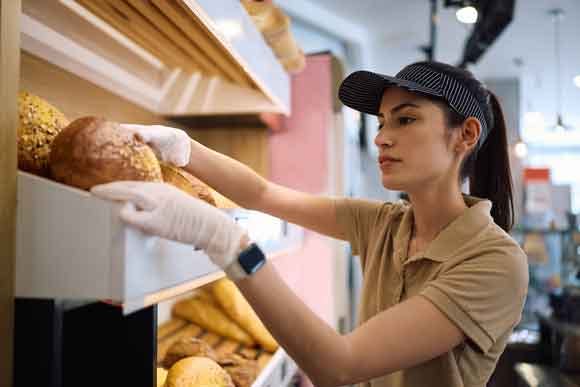
Fresh Produce Associates
Receive clear production plans so you know exactly what to prepare and when, reducing waste and effort.
Learn More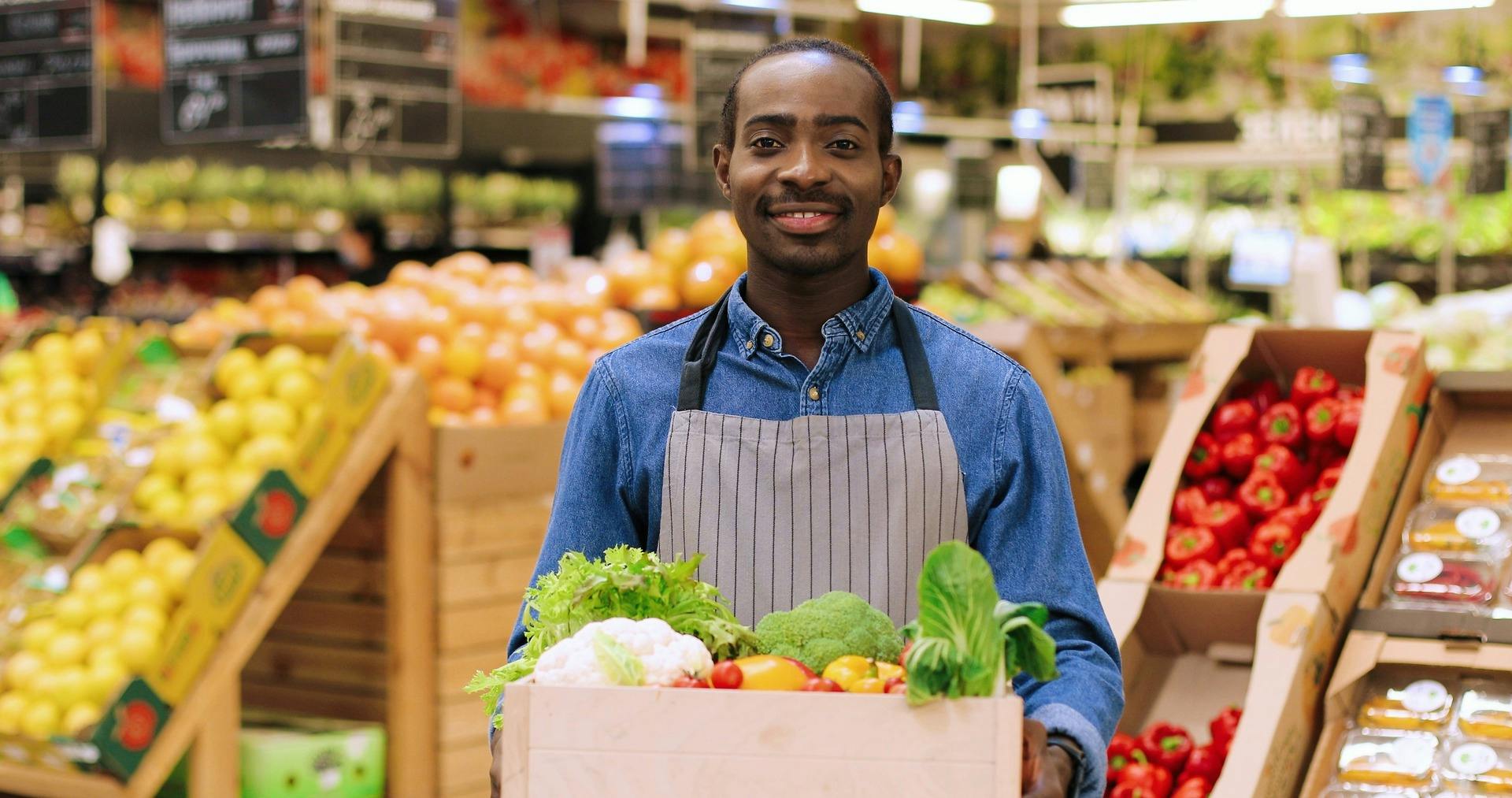
Store Managers
Make smarter, faster decisions with a single accurate forecast that drives profitability across all departments.
Learn More
How it works
- Synthesize Every Factor Influencing Demand: Create a holistic view by seamlessly connecting and analyzing data from your POS, active promotions, local weather, and community events. Understand not just what will happen, but why.
- Leverage Self-Learning AI for Unmatched Precision: Our system automatically selects, trains, and tunes the best forecasting model for each key metric in every individual store, continuously improving its accuracy to reflect unique local conditions.
- Generate Granular Forecasts for Informed Decision-Making: Plan with confidence down to 15-minute intervals for labor needs, task volumes, sales, item-level demand, and checkout mix. This hyper-granularity allows for precise resource allocation.
- Automatically Drive Downstream Execution: Eliminate manual handoffs. Your forecasts automatically feed into the Scheduling and Budgeting modules, ensuring every labor hour and financial plan is rooted in the same accurate, data-driven blueprint.
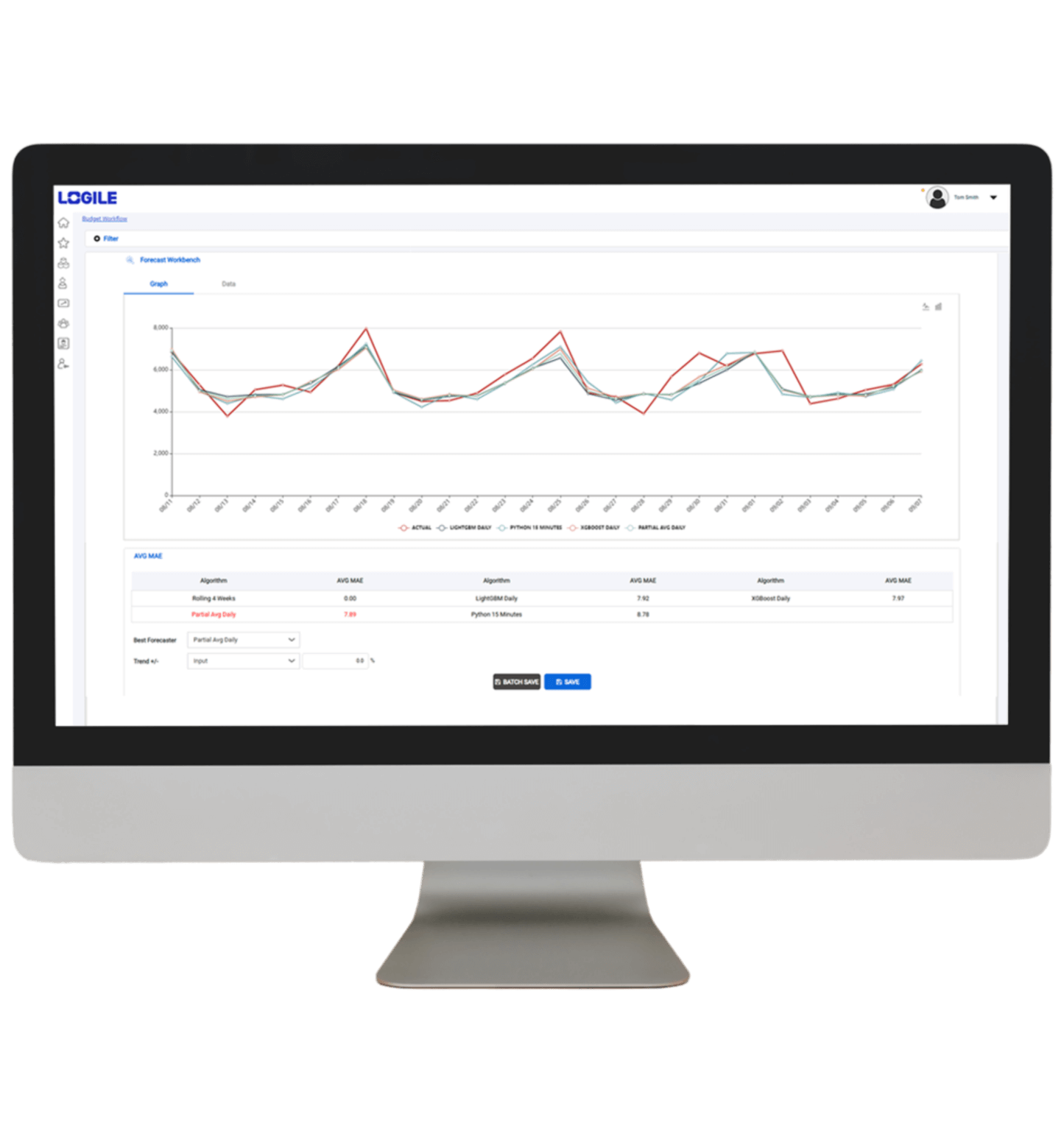
- Maintain Continuous Accuracy in a Dynamic Environment: Our system doesn’t stop at creation. It continuously monitors performance, automatically re-forecasts as new data arrives, and provides a user-friendly workbench for planners to make manual overrides with full visibility.
How it works
Synthesize Every Factor Influencing Demand
Leverage Self-Learning AI for Unmatched Precision
Generate Granular Forecasts for Informed Decision-Making
Automatically Drive Downstream Execution
Maintain Continuous Accuracy in a Dynamic Environment
APIs and Native Connections
Open APIs and native connections to POS/ERP/HRIS, sensors, and scales keep data flowing without swivel‑chair work.
Explore Logile's tightly integrated yet modular solutions—each one powerful alone,even better together.
Forecasting
15-minute, promo- and weather-aware forecasts for sales, items, traffic, and staffing.
Labor Modeling
Streamline your store processes, manage inventory and develop accurate labor standards, labor models, forecasts and budgets.
Staff Planning
Build smarter staffing plans before you schedule
Budgeting
Dynamic, store-level labor & sales budgets that adjust weekly—not yearly
Scheduling
Task‑based, wall‑to‑wall schedules with effectiveness scoring and predictive‑scheduling compliance.
Time & Attendance
Accurately and efficiently automate the process of collecting, calculating and reporting of associate work data.
Fresh Operations Management
Forecast → recipe → production → labeling on mobile to cut shrink and lift freshness.
Production Planning
Bring order to the frontline. Ensure every task gets done.
Food Safety Solutions
Digitize checks, automate corrective actions, and centralize plans—audits made easy.
FAQs
Retail demand forecasting is the process of predicting future customer demand using historical sales, seasonality, promotions, weather, local events, and other business factors. Accurate forecasts help retailers make better decisions about staffing, inventory, fresh production, and daily store operations.
AI forecasting models analyze significantly more variables than traditional forecasting methods. By continuously learning from sales patterns, promotions, weather changes, holidays, and operational conditions, AI can improve forecast accuracy and help retailers respond more quickly to changing demand.
Labor planning is most effective when staffing levels reflect expected customer demand. Demand forecasting helps retailers align labor hours, skills, and schedules with projected workload, reducing both understaffing and overstaffing while improving service levels.
Forecasting provides the demand signals used to build effective schedules. When workforce scheduling is connected to demand forecasting, retailers can create labor plans that better match customer traffic, sales activity, fulfillment demand, and operational tasks.
Demand forecasting predicts future business activity such as sales, transactions, customer traffic, and workload. Labor forecasting uses those demand projections to estimate staffing requirements. Together, they help retailers create more accurate workforce plans and schedules.
Grocery retailers use demand forecasting to plan staffing, fresh food production, inventory replenishment, order quantities, and promotional execution. Accurate forecasts help reduce waste, improve product availability, and maintain service levels throughout the store.
Yes. Forecasting helps retailers better align fresh food production and ordering decisions with expected demand. By improving visibility into future sales patterns, retailers can reduce overproduction, minimize spoilage, and improve fresh department profitability.
Modern retail forecasting software can incorporate historical sales, transaction counts, promotions, weather data, local events, seasonality, holidays, inventory levels, product attributes, and operational trends to generate more accurate forecasts.
Retail forecasts should be updated continuously as new data becomes available. Many retailers refresh forecasts daily or multiple times per day to account for changing demand patterns, promotions, weather impacts, and operational conditions.
Retailers should look for forecasting software that delivers accuracy, scalability, explainability, and operational integration. The best forecasting solutions connect demand forecasts directly to labor planning, scheduling, inventory management, fresh operations, and store execution processes.