In Parts 1 and 2, we explored the problem and its impact.
Now we turn to the solution.
The data from RSR Research makes one thing clear: incremental improvements to labor scheduling are not enough. The store operating model itself must evolve.
The Store Is No Longer Just a Store
Today’s retail environment is far more complex than the model most organizations still operate under.
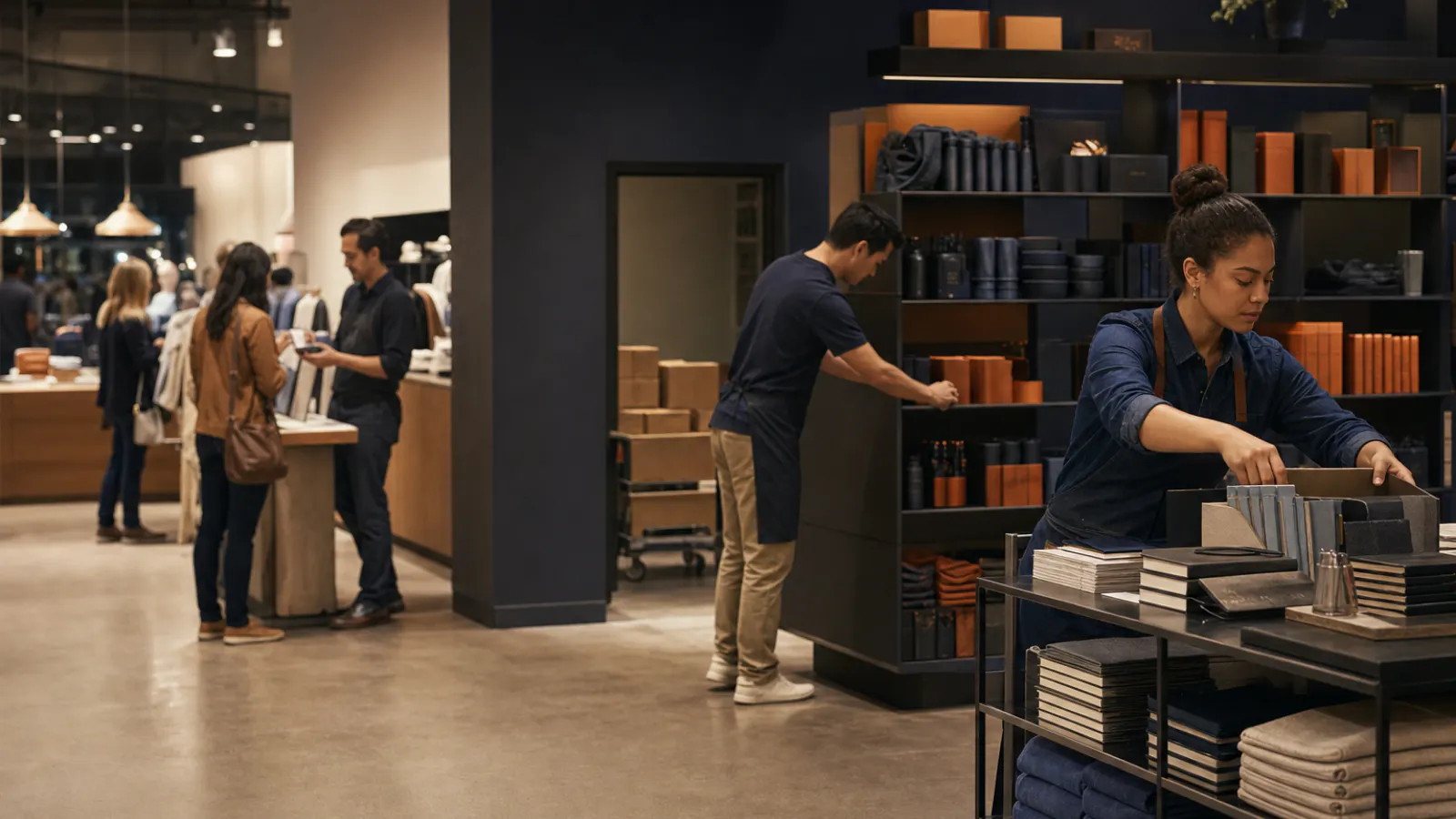
Stores now function as:
- Fulfillment hubs
- Service centers
- Returns processing locations
- Brand experience environments
Associates are expected to manage all of this simultaneously, often with lean staffing levels and static scheduling tools.
This shift is permanent. But most operating models have not kept pace.
The Cost of Standing Still
When the operating model doesn’t reflect reality, the impact spreads quickly:
- Managers spend more time reacting than leading
- Execution varies widely from store to store
- Training becomes inconsistent
- Performance suffers
High turnover, disengagement, and inconsistent customer experiences are all symptoms of this deeper structural issue.
Leading Retailers Are Re-Architecting the Store
Retail Winners are not trying to optimize an outdated model. They are redesigning it.
They are:
- Implementing dynamic labor planning that adapts in real time
- Providing store leaders with data-driven decision tools
- Redefining roles around omnichannel responsibilities
- Streamlining communication between headquarters and stores
They are treating store operations as a connected, intelligent system.
From Labor Management to Workforce Orchestration
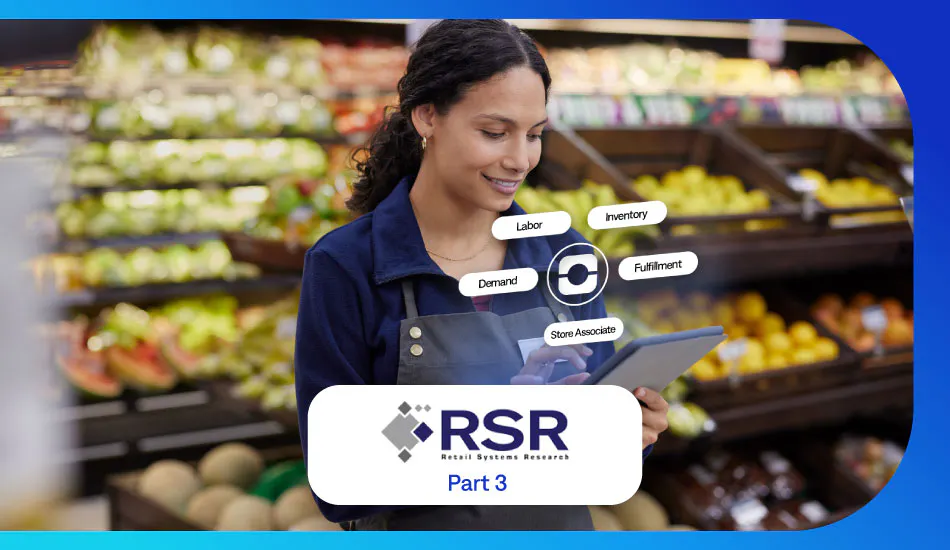
A key shift underway is moving from static labor scheduling to real-time workforce orchestration.
In this model:
- Labor aligns continuously with demand, inventory, and customer activity
- Associates have clear priorities throughout the day
- Store teams can adjust quickly as conditions change
This creates flexibility, improves execution, and gives employees greater clarity and control.
Why Leadership Mindset Matters
Technology enables this transformation, but leadership mindset determines whether it happens.
Retailers that view labor as a cost will continue to optimize at the margins. Retailers that view their workforce as a performance driver will invest in meaningful change.
They will prioritize:
- Better tools for store teams
- Stronger communication and accountability
- Training that builds capability
- Career paths that support long-term retention
This is what separates incremental improvement from transformation.
The Path Forward
Retail’s future is a seamless blend of physical and digital experiences. The workforce model must evolve to support that reality.
The question is no longer whether change is needed. The data is clear.
The question is how quickly retailers are willing to redesign how their stores operate.
Download the 2026 Retail Workforce Benchmark Report to see how leading retailers are rebuilding their workforce models and preparing for what comes next.
Download The Full 2026 State of the Retail Workforce Report
This article highlights just a few of the challenges facing retail store teams today.
For a deeper look at the data, including insights from retail leaders, frontline associates, and shoppers—read the full 2026 Retail Workforce Reality Check from Logile.

Recent Posts
Holiday Is the Ultimate Test of Your Labor Plan
2026-10-05
Holiday puts every labor planning assumption to the test. See how retailers can model demand, staffing, service, and cost scenarios before stores have to.
Read More
Fresh Operations Industry Survey
2026-10-01
Logile’s survey of 200 retail leaders reveals fresh operations challenges across visibility, shrink, labor planning, AI and technology.
Read More
Back-to-School Is Ending: The Q4 Retail Rush Is Already Here
2026-09-01
Back-to-school is ending, but Q4 retail demand is already building. Learn how retailers can prepare labor plans for holiday traffic, promotions and fulfillment.
Read More